The Brain Song Gamma Audio Routine: A Buyer’s Guide for Focus Blocks
A cautious buyer guide to testing The Brain Song as a gamma-style audio routine for focus blocks, with a practical 25-minute first-test plan and realistic wellness expectations.
Affiliate disclosure: this article may include affiliate recommendations. If you buy through our links, we may earn a commission at no extra cost to you. We use this model to keep publishing practical The Brain Song, focus-audio, and deep-work guidance.
The Brain Song Gamma Audio Routine: A Buyer’s Guide for Focus Blocks
Disclosure: This article contains affiliate links. If you buy through our link, The Brain Song Guide may earn a commission at no extra cost to you.
If you are comparing audio-based focus tools, a gamma-style listening routine can be a useful category to understand before you buy. The idea is simple: instead of relying on random playlists, you choose one structured audio program, pair it with a clear task-start ritual, and evaluate whether the routine feels practical for your own work or study sessions. This guide explains how to think about The Brain Song as part of a cautious, educational wellness routine, not as a shortcut or a guaranteed outcome.
The most buyer-relevant question is not whether one audio track can transform your day. A better question is whether a repeatable listening plan helps you reduce friction at the beginning of a focus block. Many people already use instrumental music, ambient sound, or binaural-style audio as a signal that it is time to begin a concentrated task. Research and wellness writing commonly describe binaural beats as an auditory illusion created when different tones are played separately to each ear, which is why headphones are usually part of the listening setup.[1]
Why a Gamma-Style Audio Routine Appeals to Focus-Block Buyers
Gamma-style audio is often discussed around the 40 Hz range. One laboratory study on gamma-frequency binaural beats reported that 40 Hz binaural beats were associated with a narrower attentional processing style in a specific task setting.[2] That finding is interesting, but it should be interpreted carefully. It does not prove that a consumer audio program will produce the same experience for every listener, nor does it replace good work habits, rest, task planning, or a sensible environment.
For an affiliate buyer guide, the practical value is therefore in the routine design. A structured audio product may be worth considering if you want a single, easy-to-repeat starting cue for writing, planning, reading, administrative work, or study preparation. The Brain Song can be evaluated as a wellness-oriented listening tool that may fit into a broader personal focus ritual.
| Buyer question | Practical answer |
|---|---|
| Is this a medical product? | No. Treat it as an educational wellness audio product, not medical advice or treatment. |
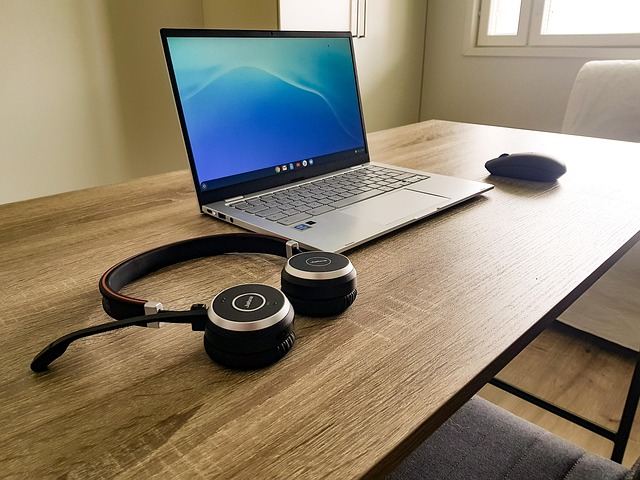
| Do I need headphones? | For binaural-style listening, headphones or earbuds are usually recommended because each ear receives a different signal.[1] |
| When should I listen? | Start with a short pre-work routine or a single focus block rather than all-day playback. |
| What should I track? | Track subjective fit: comfort, ease of starting, distraction level, and whether you like the routine. |
| What should I avoid expecting? | Avoid expecting guaranteed cognitive, health, ranking, traffic, income, study, memory, or productivity outcomes. |
A 25-Minute First-Test Routine for The Brain Song
A first test should be modest. The goal is to learn whether the audio format fits your personal work style. Choose one ordinary task that already has a clear next step. Good examples include outlining an article, reviewing notes, organizing a project folder, or drafting a short plan. Avoid using the first session for a high-stakes deadline, because that makes it harder to judge the listening experience fairly.
Begin with a two-minute setup. Write one sentence describing the task you are about to do. Close unrelated tabs, silence optional notifications, and set your volume at a comfortable level. Then listen while starting the first visible action. If you are writing, write the heading or first paragraph. If you are studying, open the specific chapter and identify the section you will review. If you are planning, list the first three decisions you need to make.
| Minute range | What to do | Why it matters |
|---|---|---|
| 0–2 | Define one task and reduce obvious interruptions. | Audio works better as part of a routine than as a substitute for task clarity. |
| 2–7 | Start The Brain Song at a comfortable volume and begin the first action. | The opening minutes teach your mind that the sound is a start cue. |
| 7–22 | Continue the chosen task without changing playlists or checking alternatives. | Consistency reduces decision switching. |
| 22–25 | Stop and make a quick note about comfort and fit. | The buying decision should be based on your actual experience, not hype. |
This first-test routine is intentionally short. Some focus-music guides emphasize the value of using the same music repeatedly as a start signal rather than spending time searching for the perfect track.[3] That principle is useful for buyers because it shifts the decision from “Will this create a dramatic result?” to “Can I comfortably repeat this routine when I need a cleaner start?”
What Makes The Brain Song Worth Considering
The Brain Song may appeal to buyers who prefer a packaged audio experience instead of building playlists from scratch. A single product can reduce the small but real friction of choosing music, checking dozens of tracks, or changing audio mid-session. That matters because switching soundtracks can become another form of procrastination.
A good audio routine should feel low-maintenance. It should not require complex equipment, technical knowledge, or constant adjustment. It should also be comfortable enough that you can test it over several ordinary sessions. If the audio feels too intense, too distracting, or unpleasant, that is useful information. A wellness product is only practical if it fits your preferences and environment.
The buying case is strongest for people who want a structured ritual around deep work, study preparation, or focused administrative tasks. It is weaker for people who dislike headphones, prefer silence, or expect a product to replace planning, sleep, breaks, hydration, or a realistic workload.
How to Compare The Brain Song With Free Focus Music
Free focus music can be useful, and many people prefer ambient, classical, lo-fi, or instrumental tracks. The key difference is not that paid audio is automatically better. The difference is that a paid audio product may offer a more deliberate, bundled experience and a clearer routine for repeat use. Buyers should compare based on fit, convenience, and whether the product presentation matches their expectations.
| Option | Advantages | Trade-offs |
|---|---|---|
| Free playlists | Easy to access, broad variety, no purchase required. | Too many choices can increase decision fatigue, and quality varies. |
| Ambient apps | Often organized by mood, task, or timer. | May require subscription decisions or app switching. |
| The Brain Song | Simple dedicated option for a repeatable listening ritual. | It still requires realistic expectations and personal testing. |
If you are unsure, try a simple comparison. Use one free instrumental playlist for one session and The Brain Song routine for another session, keeping the task type and time block similar. Afterward, compare which option felt easier to start, more comfortable to hear, and simpler to repeat. This is a subjective wellness experiment, not a clinical test.
Safety, Comfort, and Expectation Checklist
Use moderate volume and stop listening if the audio feels uncomfortable. Do not use any focus audio in situations where you need full environmental awareness, such as driving, cycling, or operating equipment. If you have hearing concerns, neurological concerns, or any medical questions, ask a qualified professional before experimenting with binaural-style audio.
Most importantly, keep your expectations realistic. Audio can be part of a supportive environment, but it should not be framed as a cure, treatment, or guaranteed performance tool. The strongest routine pairs sound with practical behavior: one defined task, fewer interruptions, a reasonable session length, and a short reflection afterward.
This content is educational and wellness-oriented. It does not provide medical advice, diagnose conditions, or guarantee cognitive, health, ranking, traffic, or income outcomes.
Who Is the Best Fit?
The Brain Song is most relevant for people who like structured listening experiences and want a consistent cue before focused work. It may be a good fit if you already use headphones comfortably, prefer guided routines over random playlists, and want a single audio-based option to test during writing, studying, planning, or project work.
It may not be a good fit if you are looking for guaranteed outcomes, if you dislike repetitive audio, if you prefer silence, or if your main challenge is an overloaded schedule rather than task-start friction. In those cases, a calendar review, reduced commitments, or a simpler work plan may be more useful than adding another tool.
Final Buyer Takeaway
The Brain Song should be evaluated as a structured focus-block companion. Its best use is not passive listening with unrealistic expectations, but a short and repeatable routine: define one task, reduce obvious interruptions, listen at a comfortable volume, begin the first visible action, and review how the session felt. If that kind of routine sounds appealing, it may be worth testing as part of your personal wellness toolkit.
If you want to review the offer, use the official affiliate link here: Visit The Brain Song offer.
References
The Brain Song focus-audio offer
This recommendation is matched to readers researching The Brain Song, focus audio, study concentration, deep work, and brain-wellness routines through the blog's tracked affiliate link system.
The Brain Song links may be affiliate links. We may earn a commission at no extra cost to you.
The Brain Song
A ClickBank audio wellness and focus-routine offer for readers interested in concentration, deep work, learning, and natural cognitive wellness.
Try The Brain SongThe Brain Song
A short digital audio routine positioned for focus, learning support, mental clarity, and wellness-oriented productivity.
Listen to The Brain SongAffiliate links are tracked as click events only. Sales confirmation still depends on the affiliate network dashboard and approved tracking IDs.
Related The Brain Song guides
Continue with practical Brain Song listening, study-support, and deep-work articles that reinforce this topic cluster.
Do You Need Headphones for Gamma Binaural Beats? A Practical Buyer’s Guide for Focus Audio
A cautious buyer’s guide explaining why stereo headphones matter for gamma binaural-beat audio, how to evaluate The Brain Song, and how to use focus sound routines safely.
Brain Song guideBefore You Buy The Brain Song: A 20-Minute Deep Work Audio Routine Guide
A practical buyer-intent guide for people considering The Brain Song as a simple 20-minute instrumental audio cue for deep work, study blocks, writing, or planning sessions.
Brain Song guideGamma Binaural Beats for Deep Work: A Careful Buyer’s Guide to The Brain Song
A practical, wellness-oriented guide for evaluating gamma binaural beat audio before buying The Brain Song, with cautious language, listening tips, and selection criteria.